
IU fundraising expert outlines how to adapt with new perspectives
by Shari Finnell, editor/writer, Not-for-profit News
While many nonprofit organizations throughout Central continue to face hiring challenges, the task of attracting, hiring, and retaining fundraisers has proven to be one of the most concerning developments going into 2023.
In late 2022, as many as 46 percent of nonprofit fundraisers in the United States and the United Kingdom reported that they were planning to leave their current employer within the next two years, according to a report recently released by the Institute of Sustainable Philanthropy and Revolutionise International. Of those surveyed, 9 percent said they were leaving the profession entirely.
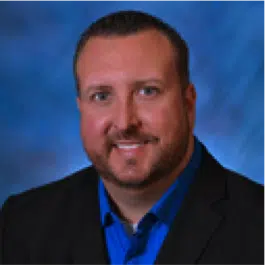
Those findings can be disturbing, especially since the pool of qualified fundraisers has historically fallen short of demand, according to Genevieve G. Shaker, associate professor of Philanthropic Studies and Donald A. Campbell Chair in Fundraising Leadership.
“Fundraisers are always in demand,” Shaker said. “This has been an ongoing issue, and the pandemic exacerbated it.”
As with many other nonprofit roles, the fundraising employees left to fill in the gap are at risk of burnout, stress, and lack of job satisfaction, she added.
According to a recent report released by The Chronicle of Philanthropy, nine out of 10 fundraisers surveyed indicated that unfilled fundraising positions have significantly increased their workloads. The respondents cited numerous problems that have led to high rates of burnout, including logging 12-hour workdays and facing unrealistic fundraising goals.
Those types of working conditions can exacerbate risks of nonprofit organizations losing additional fundraisers, Shaker said. “Fundraisers were feeling a significant amount of pressure during the pandemic to continue to meet organizational goals and needs,” she said. “However, this is ongoing. We know that the demands people are feeling in fundraising have not lessened.”
While the situation may seem dire for many organizations, Shaker said, it also is important to note that not all turnover is bad. “Sometimes it’s good for the individual as well as the organization,” she said.
However, in the case of fundraisers, organizations may face the challenge of seeking ways to nurture the relationships developed by a departing fundraiser.
Moving forward with solutions
Nonprofit leaders faced with a lack of fundraising talent can recognize better long-term outcomes by engaging in a different approach to traditional solutions, according to Shaker.
For example, HR representatives can start tapping unrecognized talent from throughout the organization. Ideal candidates are those who have demonstrated that they are passionate about the organization’s mission, people who serve in administrative roles, and, in some cases, volunteers, she said.
“These candidates may be recognized as those that are very involved with the organization and already integrated in the community it serves,” she said.
Under an effective model, the organization must be committed to the candidates’ growth, Shaker said, setting up a runway of sorts for them to become accustomed to the work as well as fundraising goals.
“Expectations may need to be different,” she said. “For example, the expectations for Year 1 shouldn’t be the same as Year 2. Goals should accommodate the candidate until they’ve hit their stride. It will require some investment by nonprofits to bring people up to speed.”
Also, when seeking candidates outside of the organization for fundraising roles, consider people with varying backgrounds, Shaker recommended.
As indicated by the Association of Fundraising Professionals, fundraisers come from varied backgrounds, from sales and business to stay-at-home parents, Shaker said. “People have always come from different pathways to get into fundraising,” she said. “But I don’t know if we’ve been great about seeking them out, encouraging them, and facilitating their growth, interest, and development in the field.”
Managers can explore ways to ensure that new fundraisers are being supported through networking in professional organizations, and certification in areas like fundraising management and principles and techniques of fundraising.
“Once you have identified someone who is engaged in their first fundraising opportunity, you really have to support them through professional development and mentoring,” Shaker added. “It must be intentional.”
Encouraging and retaining current fundraising professionals
Another area of concern for many organizations is retaining employees in a highly competitive job market.
Shaker said that it is important to alleviate pressure on fundraisers and other employees by outsourcing some responsibilities, such as database management, grant writing, and event planning. “This allows them to focus on the key work,” she said.
Again, changing expectations can be critical to overall morale. “If your fundraising team is down by two people, you may need to do one or two fewer events,” she said. “It’s important to have conversations on topics like this so that it doesn’t feel like a mandate.”
Future of fundraising
Overall, Shaker said, nonprofit organizations and other industries that use fundraising professionals could benefit from initiatives to increase awareness about the field.
“A lot of people may not know much about fundraising while others may be afraid to ask people for money,” she said. “It’s not a field that students typically hear about coming out of high school. Not many people say, ‘I know I want to go into fundraising.’ We need to proactively educate people about the field and raise the profile. Leaders need to keep spreading the word about the ability to make a difference in their communities through this amazing profession.”